
Indices Trading Gives Pakistani Investors Distance From Rupee Swings
Rupee volatility is a constant presence in Pakistan when discussing investment, and moving away from these fluctuations offers real relief for investors who no longer want to think exclusively in rupees. One such way of providing this separation is indices trading. In the indices trading, investors are exposed to a wider range of economic performance, without having to repeatedly think in terms of rupee-dollar conversion. The change of emphasis is becoming more common among traders looking for a wider context than just domestic currency moves.
Global indicators like the S&P 500 or FTSE 100 are another way of looking at financial performance than the currency-driven thinking in Pakistan. When the capital exposure is similar to a direct currency position, investors in major indexes are not tied to the performance of a single currency against the dollar as they are exposed to a wider array of economic activity across hundreds of companies at once. This broader perspective looks at corporate earnings, international economic data, and not just domestic monetary policy or the State Bank’s actions.
Diversification is an attractive proposition for investors who have grown fed up with rupee volatility. Firms that have spent years focused mainly on protecting savings from depreciation may find value in considering world markets more broadly, weighing whether movements in European economies or the performance of the technology sector abroad will affect an index more than domestic currency appreciation or depreciation. Although it spreads exposure over a larger range of Pakistani economic factors, this more comprehensive view still entails risk and gives investors more variables to examine than just the rupee.
The volatility dynamics of currency markets created by domestic instability are very different from that of indices associated with global economic sentiment. Major indices rarely move sharply due to a single policy change or an unexpected import cost shift; broader developments in other economies, such as corporate earnings seasons or central bank decisions, tend to drive movement instead. Investors have found this pace more predictable to study, since the factors driving change carry less connection to the balance of payments dynamics that shape domestic currency swings.
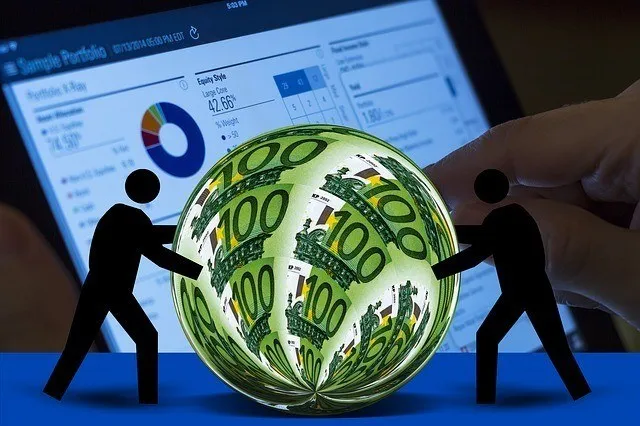
Image Source: Pixabay
Educational resources on indices trading remain somewhat limited compared with material developed specifically for forex within Pakistan’s trading community, though accessibility has grown steadily. Telegram groups increasingly cover both index analysis and broader economic trends, drawing members who enjoy connecting global macroeconomic events to specific market moves for the intellectual engagement it offers. This dimension has attracted investors seeking more than simple currency protection, drawing in people who view markets as an ongoing subject of study in their own right.
Access to major indices has become far more practical for Pakistani investors in recent years. Investors no longer need to open separate accounts with various specialized foreign brokers, since platforms such as MT5 allow access to major indices directly, without added hassle. This ease of use has made trading foreign indices considerably simpler for investors already accustomed to platforms built around currency conversion. Indices still carry real risk shaped by factors outside Pakistan’s own economy, and local investors trained to read rupee signals often find that skills developed over years of watching the rupee do not translate directly to understanding the performance of foreign companies or international monetary policy decisions.

Comments